
In HVAC and refrigeration systems, copper tubing is more than a pathway for refrigerant. Its material characteristics, dimensional consistency, mechanical properties, internal cleanliness, and manufacturing quality can all affect fabrication, installation, and long-term system reliability. For contractors, OEMs, distributors, and engineering teams, understanding copper tube quality is therefore an important part of specifying the right product for a particular application.
For professional HVAC projects, quality should not be judged only by the appearance of the tube. The appropriate product standard, copper grade, temper, dimensions, testing requirements, and cleanliness specifications should all be considered together. ASTM B280-23, for example, establishes requirements for seamless copper tube intended for field connections, repairs, and alterations of air-conditioning and refrigeration units, including requirements for grain size, tensile properties, eddy-current testing, and cleanliness.
Why Copper Tube Quality Matters in HVAC Systems
Copper and copper alloys are widely used in heating, air-conditioning, refrigeration, and water supply installations because of their corrosion resistance and ease of installation. ASHRAE identifies ASTM B280 as the principal standard for copper tube used in air-conditioning and refrigeration service, distinguishing it from ASTM B88, which covers copper water and drain tube.
This distinction is important for professional buyers. A copper tube specification should match the intended service rather than simply relying on the fact that the material is copper. ACR applications may require different wall thicknesses, dimensional specifications, temper conditions, cleanliness requirements, and manufacturing controls from those used for plumbing applications.
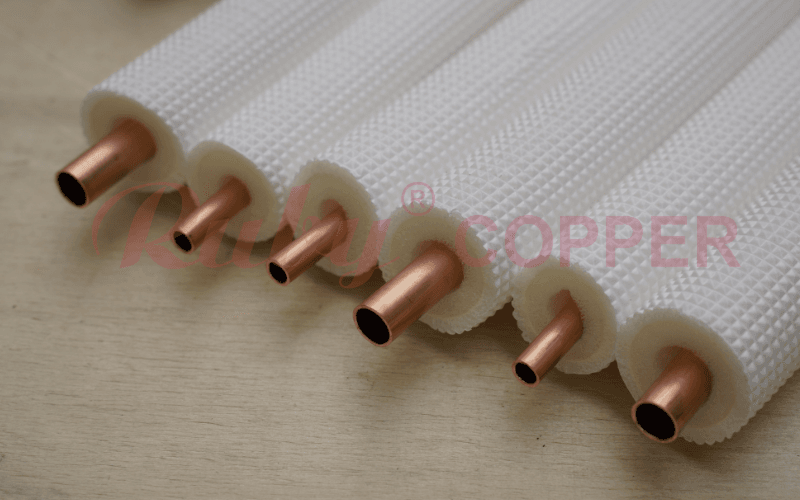
High copper tube quality provides a more consistent basis for fabrication and installation. Dimensional variation, unsuitable mechanical properties, or inadequate internal cleanliness can create challenges during tube bending, joining, pressure testing, and system assembly. These factors become particularly important when copper tubes are purchased for large-scale projects where consistent performance across thousands of meters of tubing is required.
Key Quality Factors That Affect HVAC Performance
Material, Dimensions, and Mechanical Properties
The first consideration is the copper material itself. ASTM B280-23 permits seamless copper tubes manufactured from UNS C10200, C12000, or C12200, unless otherwise specified by the purchaser. These correspond to oxygen-free copper, phosphorus-deoxidized low-residual-phosphorus copper, and phosphorus-deoxidized high-residual-phosphorus copper, respectively.
However, specifying a copper grade alone is not sufficient. Buyers should also define the applicable product standard, outside diameter, wall thickness, dimensional tolerances, and temper. ASHRAE notes that HVAC and refrigeration trades generally specify copper tube by outside diameter, while ACR tubing has its own wall-thickness requirements.
Temper is another important aspect of copper tube quality. Hard-drawn and annealed tubing have different mechanical characteristics and fabrication behavior. ASHRAE indicates that hard-drawn tubing has a higher allowable stress than annealed tubing. At the same time, when hard tubing is joined by soldering or brazing, the annealed allowable stress should be considered because of the effect of the joining process.
For contractors, this means the tube should be selected according to the installation method and system design rather than simply choosing the hardest or strongest available product.
Internal Cleanliness and Manufacturing Quality
Internal cleanliness is a critical but sometimes overlooked component of copper tube quality, particularly in refrigeration and air-conditioning applications. Contaminants, moisture, or foreign particles inside tubing can be undesirable in a refrigerant circuit, which is why ACR tube specifications include specific requirements for cleanliness and end protection.
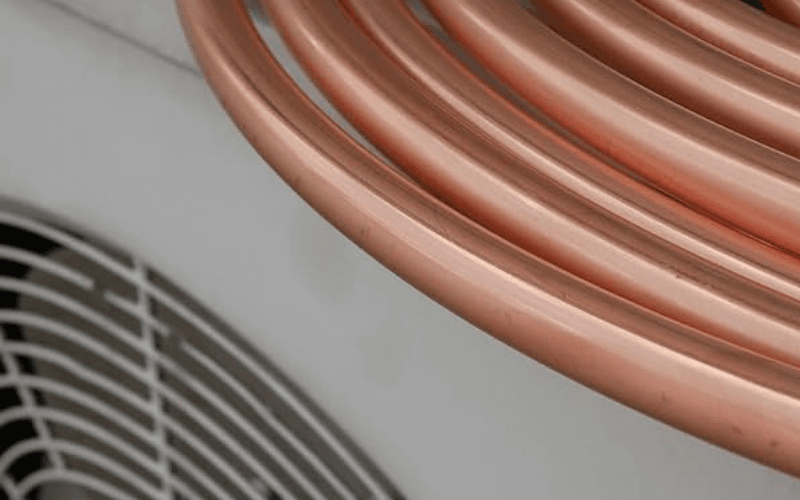
ASTM B280-23 requires soft-annealed coiled tube to be bright annealed after coiling, dehydrated, and closed at both ends. Hard-drawn straight lengths must be cleaned and have their ends closed. The standard also includes eddy-current and cleanliness requirements.
These requirements illustrate why manufacturing controls matter. Tube quality is established throughout the production process, not only during final visual inspection. Drawing, annealing, cleaning, testing, end protection, and packaging all contribute to delivering a product that conforms to its specified requirements.
For international buyers, this also makes quality documentation important. A reliable specification should identify the applicable standard and provide appropriate inspection and test documentation demonstrating conformity. Depending on the project, purchasers may also require certificates of conformity, chemical composition information, dimensional inspection records, mechanical test results, or non-destructive testing records.
How Copper Tube Quality Affects Installation and System Reliability
The practical value of copper tube quality becomes particularly visible during installation. Consistent outside diameter and wall thickness help contractors perform cutting, bending, flaring, and joining according to the requirements of the project. Suitable temper also influences how easily the tube can be formed without compromising the specified geometry.
Joining is another area where tube quality and installation practice intersect. Copper tubing may be joined using soldered or brazed fittings, while smaller tubing can also use flare or compression fittings depending on the application.
Nevertheless, high-quality tubing does not eliminate the need for correct installation procedures. The performance of a completed refrigerant circuit depends on the combination of tube, fittings, joining method, workmanship, pressure and temperature conditions, and compliance with applicable engineering requirements.
System conditions must also be considered before selecting the material. For example, ASHRAE’s guidance for CO₂ refrigeration systems notes that operating pressure and temperature are important when selecting piping materials. In transcritical CO₂ applications, the annealing effect of brazing can weaken copper pipe at pressures above 600 psig, and other piping materials or suitable joining approaches may therefore be required depending on the design.
This demonstrates an important principle: copper tube quality must always be evaluated in relation to the actual service conditions rather than as an isolated product attribute.
How Buyers Should Evaluate Copper Tube Quality
For large HVAC contractors, OEMs, distributors, and international procurement teams, evaluating copper tube quality should begin with a clear technical specification.
The purchasing specification should identify the required product standard, copper grade, outside diameter, wall thickness, dimensional tolerances, temper, mechanical requirements, cleanliness requirements, and testing methods. ASTM B280-23 is one example of a product specification that brings many of these requirements together for seamless copper tube used in air-conditioning and refrigeration field service.
Supplier evaluation should then extend beyond the product catalogue. Buyers can review manufacturing capabilities, quality-control procedures, inspection equipment, testing records, traceability systems, packaging methods, and experience supplying products to comparable HVAC or refrigeration applications.
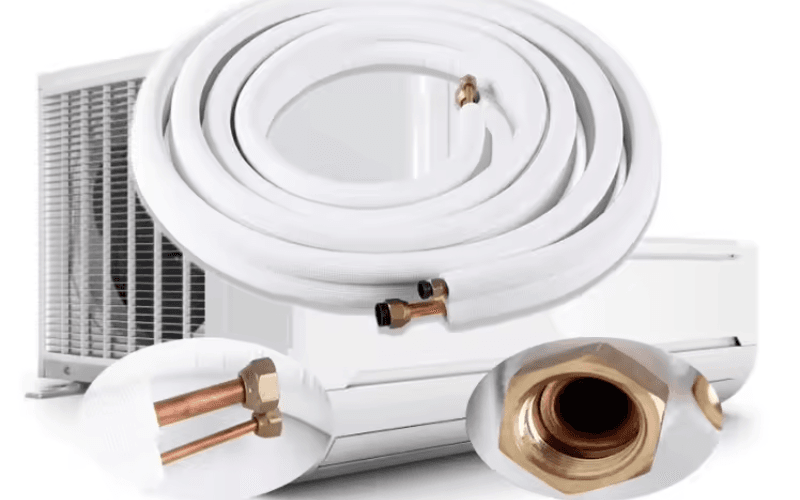
For manufacturers supplying international markets, consistent copper tube quality also requires process control from raw material selection through forming, drawing, heat treatment, inspection, cleaning, and packaging. A documented quality system can provide an additional framework for maintaining consistency, but the actual product specification and test requirements remain essential.
Ultimately, the right evaluation approach is not simply to ask whether a copper tube is “high quality.” Instead, buyers should ask whether the tube consistently meets the technical requirements established for the intended application and applicable standard.
Conclusion
Copper tube quality has a direct practical relationship with the consistency, manufacturability, and reliability expected from HVAC and refrigeration components. Material grade, dimensions, temper, mechanical properties, internal cleanliness, testing, and manufacturing controls all contribute to product conformity.
For international HVAC projects, the most reliable approach is to define requirements precisely and evaluate suppliers against documented technical criteria. ASTM B280-23 and ASHRAE guidance provide useful reference points for understanding the requirements associated with copper tubing used in air-conditioning and refrigeration applications.
For contractors and OEMs sourcing copper tubes internationally, selecting a manufacturer capable of maintaining consistent copper tube quality across production batches can support smoother fabrication, installation, inspection, and project execution.


